
SHOP NOW – NEW All-In-One Bundles
All-In-One
Ant Control Kit

All-In-One
Bed Bug Control Kit

All-In-One
Wasps Control Kit
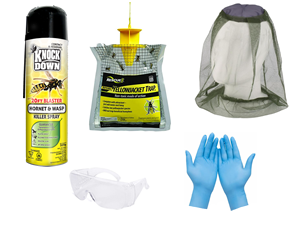
All-In-One
Rodent Control Kit
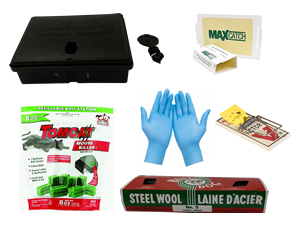
All-In-One
Spider Control Kit

All-In-One
Tree & Garden Kit

All-In-One
Sow Bug Control Kit
All-In-One
Moles & Voles Kit

See also: Spider categorized species photos
More spider photo identifications
pest-id-photos page 1
pest-id-photos page 2
pest-id-photos page 3
( Out of focus, poorly lit and subjects too small to identify will not be published.)
Spider photos: Only very high quality unusual spider photos will be published
To enlarge a photo below, click on it, then click on the larger image again.
Use back arrow to return to this page.
Arachnid
/in Pest Identification, Send your photo for identification /by Pest Control Canada6296 Hi…end of July in lower mainland, BC. This guy was about 8 inches from leg tip to leg tip. Doug From Delta, BC
Number 6296 This is an arachnid in the order Opiliones, commonly known as ‘daddy long-legs’, harvestmen, or harvesters. They primarily are scavengers and are completely harmless to humans. Click here for more detailed information.
Chinch bugs
/in Pest Identification, Send your photo for identification /by Pest Control Canada6294 Please let us know what these are and hot to get rid of them. They come out on our patio and house when it is sunny and warm out. From Dayspring, NS
Number 6294 These are chinch bugs (Hemiptera/Heteroptera: Blissidae); likely hairy chinch bugs, Blissus leucopterus hirtus. Click here for more detailed information including some control recommendations.
Female American pelecinid wasp
/in Pest Identification, Send your photo for identification /by Pest Control Canada6295 From Winnipeg, Manitova
Number 6295 This is a female American pelecinid wasp, Pelecinus polyturator (Hymenoptera: Pelecinidae). They are parasitic on the larvae (grubs) of June beetles, Click here for images and more information.
Earwig
/in Pest Identification, Send your photo for identification /by Pest Control Canada6293 I HAVE FOUND THIS INSECT AT MY DINING TABLE DON’T KNOW FROM WHERE IT CAME .FROM siliguri, west Bengal India.
Number 6293 This is an earwig (order Dermaptera). These basically are scavengers, but some species may be predators as well on other small arthropods. They basically are nuisance pests that seldom cause any real harm. See Click here for more information.
Nymph of the masked hunter
/in Pest Identification, Send your photo for identification /by Pest Control Canada6292 I found this little guy at the corner of our shower/tub against the wall. It was approximately 4mm long. It’s humid in the summer, we use central air, but not often (usually nighttime). Thanks for any insight! From Hanover Ontario
Number 6292 This is a nymph of the masked hunter, Reduvius personatus (Hemiptera/Heteroptera: Reduviidae), a peridomestic species often found in homes. The nymphs have sticky hairs on their bodies that hold dust and bits of debris that disguise the general outline of these bugs. See Click here for more information on this fascinating insect.
Nymph of a brown marmorated stink bug
/in Pest Identification, Send your photo for identification /by Pest Control Canada6291 This bug is all over the trees in the neighbourhood. August 1, 24 degrees C. Surrey BC. From Surrey, British Columbia
Number 6291 This is a nymph of a brown marmorated stink bug, Halyomorpha halys (Hemiptera/Heteroptera: Pentatomidae). See Click here for detailed information including control recommendations.
Nymphs of a boxelder bug
/in Pest Identification, Send your photo for identification /by Pest Control Canada6290 I have never seen these bugs before and today ther are 30 of them outside my door. From Hamilton, Ontario
Number 6290 These are nymphs of a boxelder bug, likely the eastern boxelder bug, Boisea trivittata (Hemiptera/Heteroptera: Rhopalidae). These are nuisance pests that seldom cause any real damage. Click here for more detailed information, including control recommendations
Larva of a snakefly
/1 Comment/in Pest Identification, Send your photo for identification /by Pest Control Canada6289 Approximately 12 mm long, moves in a snake like fashion. From Victoria, British Columbia
Number 6289 This is a larva of a snakefly (Raphidioptera: Raphidiidae), likely in the genus Agulla. These are general predators on other small arthropods, mainly other insects.
Pea or bean weevil
/in Pest Identification, Send your photo for identification /by Pest Control Canada6288 Approximately 20 show up daily on the sunniest window every morning. Started July 30th. I live in Ottawa. They can fly but easy to catch. From Orleans, Ontario
Number 6288 This is a special kind of leaf beetle (Coleoptera: Chrysomelidae) in the subfamily Bruchinae known as a pea or bean weevil . Their larvae develop in large seeds of legumes such as peas or beans and can be serious pests. Check all areas where you store dried seeds (including bird seed) for signs of infestation – Click here for an image.
Male fishfly
/in Pest Identification, Send your photo for identification /by Pest Control Canada6287. From Lion’s Head, Ontario
Number 6287 This is a male fishfly (Megaloptera: Corydalidae; subfamily Chauliodinae); it might be a summer fishfly, Chauliodes pectinicornis Click here for an image.
Larva of a larder beetle
/in Pest Identification, Send your photo for identification /by Pest Control Canada6286 Have no clue what these things are, its like the larva shed their skins and turn into these black nightmarish things. I hope they aren’t bad for my health or my dogs’ health, I’ll do anything to get rid of them. The larva has spikey looking hair on them and these pronged horns on the back and when they grow up their bigger and their tails are longer, they do look like they bite but I’m not sure yet. They have six legs though all together. From Calgary Alberta
Number 6286 This appears to be a larva of a larder beetle, Dermestes lardarius (Coleoptera: Dermestidae), a cosmopolitan pest that will feed on a wide variety of organic materials, especially those of animal origin. Click here for more detailed information including some control suggestions.
Female giant ichneumon wasp
/in Pest Identification, Send your photo for identification /by Pest Control Canada6284 What is this? From George’s New Foundland
Number 6284 This is a female giant ichneumon wasp (Hymenoptera: Ichneumonidae) in the genus Megarhyssa, likely M. macrurus, see Click here for an image and more detailed information, Your specimen was in the act of drilling into the wood to deposit her egg in the tunnel of a wood wasp in the family Siricidae.
Common red soldier beetle
/in Pest Identification, Send your photo for identification /by Pest Control Canada6285 These flying bugs are about 1 cm long and don’t seem to do much damage. We haven’t seen them before, but they are reproducing somewhat quickly in our vegetable/herb garden. Any information would be appreciated. From
Number 6285 This is a common red soldier beetle, Rhagonycha fulva (Coleoptera: Cantharidae), they feed primarily on the smaller insects that they find on flowers. See Click here for an image and more detailed information.
late stage nymph of a hairy chinch bug
/in Pest Identification, Send your photo for identification /by Pest Control Canada6283 Hunderds just showed up on our pressure treated wood surrounding a flower garden in Center of city.
Also see them lots in my grass, which is very patchy and brown
Number 6283 This appears to be a late stage nymph of a hairy chinch bug, Blissus leucopterus hirtus (Hemiptera/Heteroptera: Blissidae), a common turf pest in Ontario; see Click here for more detailed information.
Bed bug
/in Pest Identification, Send your photo for identification /by Pest Control Canada6282 What is this? From Nanaimo, Bc
Number 6282 This is either a bed bug (Cimex lectularius; Hemiptera/Heteroptera: Cimicidae) or the closely related bat bug (Cimex pilosellus). Click here for an image. Also Click here for an excellent publication on bed bugs.
Giant lichen orbweaver
/in Pest Identification, Send your photo for identification /by Pest Control Canada6281 This creature met me in my garden this morning. Have asked hubby and son neither answer appears to be correct. From Thunder Bay, Ontario
Number 6281 This is a giant lichen orbweaver, Araneus bicentenarius, Click here for an image. All orb weavers are harmless to humans.
Larva of a beetle
/in Pest Identification, Send your photo for identification /by Pest Control Canada6280 First found this bug behind my kitchen sink, then on the floor in my bathroom. Found this one in my shower with me this morning. Roughly over a centimetre long. Just need help identifying so I can get rid of them properly. From Dowling, Ontario
Number 6280 This is a larva of a beetle in the family Dermestidae (carpet/skin/hide/larder beetles and allies). These can feed on a wide variety of organic materials (primarily those of animal origin), including accumulations of dead insects. You might check any clothing/fabrics, especially those in long-term storage, that incorporate wool or silk for signs of insect damage.
Wharf borer, Nacerdes melanura
/in Pest Identification, Send your photo for identification /by Pest Control Canada6279 Hello, I’ve recently found 2 or 3 of these insects in (and around) my bathroom every day for the past week. Every time, I remove them but the day after (sometimes even less) another is there. Sometimes 2 or 3 even. I have absolutely no idea what this could be, I’ve never seen these in my life and I haven’t been living in Quebec (or Canada) since long so maybe it’s something local to Quebec? I’m clueless about this and I’m afraid it might be something serious. I hope you can help identify this. Thank you in advance. From Quebec
Number 6279 This is a wharf borer, Nacerdes melanura (Coleoptera: Oedemeridae). Their larvae bore in wet, rotting wood and seldom if ever cause any real structural damage. Click here for more detailed information.
Elm seed bug
/1 Comment/in Pest Identification, Send your photo for identification /by Pest Control Canada6278 Trying to discover if my pets, family or home are in danger from these little guys. they appear to be about 3/8″ long and look to be infesting any wood on wood surfaces outside (where our wooden patio furniture is resting against the wooden fence, dozens of them will be hiding) they appear to be growing in numbers and we have started to see them inside the house. Began seeing them early spring, currently midsummer. From Vancouver, BC
Number 6278 This looks like an elm seed bug, Arocatus melanocephalus (Hemiptera/Heteroptera: Lygaeidae). This is an introduced European species; see Click here for more detailed information. These are nuisance pests that cause no real harm but they stink when crushed and their fecal droppings on structures are an eyesore.
Giant water bug
/in Pest Identification, Send your photo for identification /by Pest Control Canada6277 Found in our backyard pool
Number 6277 This is a giant water bug (Hemiptera/Heteroptera: Belostomatidae). Also known as toe-biters or electric light bugs, they are voracious predators on other aquatic life forms, including other insects, tadpoles, and minnows. They are very strong fliers and have been found far from any natural water source. Click here for more detailed information on these fascinating creatures.
Shed ‘skin’ (exuvium) of a Mayfly subimago
/in Pest Identification, Send your photo for identification /by Pest Control Canada6276 From Dartmouth, Nova Scotia
Number 6276 This is a shed ‘skin’ (exuvium) of a mayfly subimago (an intermediate stage between the aquatic nymph and the fully mature adult). Mayflies are the only insect that molts after it has developed wings.
Red-shouldered pine borer, Stictoleptura canadensis
/in Pest Identification, Send your photo for identification /by Pest Control Canada6275 Hello, this beetle was outside on my deck around noon today (July 16/18); the weather was very hot and humid. I think it’s a long-horned beetle of some sort, but I can’t find it in my field guide and I didn’t see it in your photo archive. The second photo is included just for scale (that’s a Canadian dime). I’d love to know what kind of beetle this is. Thanks. From Peterborough, Ontario
Number 6275 This is a red-shouldered pine borer, Stictoleptura canadensis (Coleoptera: Cerambycidae; subfamily Lepturinae) – Click here for an image.
‘Skin’ (exuvium) of a nymph of a cicada
/in Pest Identification, Send your photo for identification /by Pest Control Canada6274 What kind of bug is this? It’s cracked open and there’s nothing in it, what kind of bug is empty?
Number 6274 This is the shed ‘skin’ (exuvium) of a nymph of a cicada (Hemiptera/Heteroptera: Cicadidae), likely one of the so-called dog-day or annual cicadas such as those in the genus Neotibicen -see Click here for an image.
Broad-nosed/Short-snouted weevil
/in Pest Identification, Send your photo for identification /by Pest Control Canada6273 Tiny tiny beetle! Half the size in width of a pinky nail. Lime green. Was at falcon lake sunny summer day. He could fly but really didn’t seem to care to. What is he?
Number 6273 This is a broad-nosed/short-snouted weevil (Coleoptera: Curculionidae; subfamily Entiminae); it looks like Polydrusus formosus, known as the green immigrant leaf weevil – see Click here for images and more information.
Sculptured Resin Bee
/in Pest Identification, Send your photo for identification /by Pest Control Canada6272 Trying to determine if this is a wasp or hornet species. i found it hanging around my solitary bee house. From Ontario
Number 6272 This is a sculptured resin bee, Megachile sculpturalis (Hymenoptera: Megachilidae), an introduced species. Click here for images and more detailed information.
Trichiotinus assimilis
/in Pest Identification, Send your photo for identification /by Pest Control Canada6271 This insect was found on the flowers of a False Spirea on July 7/18. Please advise what it is.
Number 6271 This appears to be Trichiotinus assimilis (Coleoptera: Scarabaeidae), a species commonly found on flowers. Sometimes called a bee-mimic beetle, it does not appear to be a pest species. Click here for an image and more information.
Nymph of a leafhopper
/in Pest Identification, Send your photo for identification /by Pest Control Canada6270 Sitting in the Finger Lakes region of New York on a weed… Not sure what kind of Nymph this is… looking for ID. From Concord, NH 03301 United States
Number 6270 This appears to be a nymph of a leafhopper (Hemiptera/Heteroptera: Cicadellidae); Click here for another example.
Laurel Sphinx Moth
/in Pest Identification, Send your photo for identification /by Pest Control Canada6269 Mid day this was hanging out on the deck, it looks like fur on its face and I think it’s a moth. Was very large and looked like a piece of wood. Took a few pics and left it alone we t back to check and it was gone. From Newfoundland
Number 6269 This appears to be a laurel sphinx moth, Sphinx kalmiae (Lepidoptera: Sphingidae); Click here for images and more detailed information.
Snipe Fly
/in Pest Identification, Send your photo for identification /by Pest Control Canada6268 . Seemed to like being around the vegetable garden in 20+ degree weather. July. From Langley, BC
Number 6268 is a snipe fly (Diptera: Rhagionidae); it looks like Rhagio tringarius , known as the marsh snipe fly, Click here for an image. Their larvae are predators on insects and earthworms they find in or on the soil.
Flower longhorn beetle
/in Pest Identification, Send your photo for identification /by Pest Control Canada6267 Found on my kitchen floor. July, 28 degrees C. From Langley, BC
Number 6267 This is a flower longhorn beetle (Coleoptera: Cerambycidae; subfamily Lepturinae); it looks like Xestoleptura crassipes, Click here for an image. They cause no damage .
Nymph of a long-horned grasshopper
/in Pest Identification, Send your photo for identification /by Pest Control Canada6266 Found this nestled in the leaves of a milkweed plant. From Beausejour Mb
Number 6266 This is a nymph of a long-horned grasshopper (Orthoptera: Tettigoniidae), likely either a bush cricket or false katydid.
Woolly bear caterpillar
/in Pest Identification /by Pest Control Canada6265 Please help identify From Dunnville Ontario
6265 This appears to be a young woolly bear caterpillar, the larva of the Isabella tiger moth (Pyrrharctia isabella; Lepidoptera: Erebidae). Click here for more detailed information.
Squash borer moth
/in Pest Identification, Send your photo for identification /by Pest Control Canada6264 A. I have never seen this Critter before but it was fluttering around my vegetable garden like really weird all over the place like it could not decide what it wanted. From Dunnville Ontario
6264 B. I have never seen one and was wondering what it was? There is only 1 flying around my garden. Almost flies like a humming bird. From Trenton Ontario
Number 6264 This a squash borer moth, Melittia cucurbitae (Lepidoptera: Sesiidae). These can be very destructive garden pests; see Click here for some control/prevention advice.
European Firebug
/in Pest Identification, Send your photo for identification /by Pest Control Canada6263 My entire yard is full of them. I need advice on what they are and how to get rid of them. Thousands of them crawling in my grass. From Toronto, Ontario
Number 6263 This is a European firebug, Pyrrhocoris apterus (Hemiptera/Heteroptera: Pyrrhocoridae), an introduced species currently sporadically distributed in North America, Click here for an image and distribution map. These primarily are nuisance pests that will not harm your lawn; they reportedly feed mainly on the seeds of plants in the mallow family. Click here for some control recommendations.
Engorged female hard tick
/1 Comment/in More spider identification photos, Pest Identification, Send your photo for identification /by Pest Control Canada6262 We found this on our dog. From Osoyoos B.C
Number 6262 This is an engorged female hard tick (family Ixodidae); likely in the genus Dermacentor. You may want to have your dog checked by a veterinarian if it shows any sign of illness during the next couple of weeks.
Rove beetle
/in Pest Identification, Send your photo for identification /by Pest Control Canada6261 Found this little guy in basement. Curious as to what he is. From Fort St. John, BC
6261 This is a rove beetle (Coleoptera: Staphylinidae). These are general predators on other small arthropods, mainly on the insects.
Nymph of a short-horned grasshopper
/1 Comment/in Pest Identification, Send your photo for identification /by Pest Control Canada6260 As you can see by the photo, a clover flower, this is a tiny green grasshopper. more or less 1 centimeter, almost missed it if not for the color contrast. I haven’t been able to identify, is it because it is a immature? or is this an mature grasshopper? Photographed on June 10, below the Eastern Parkway, along the cycling path on the Ottawa river (within a kilometer of Green Creek), sunny condition, early summer. From Ottawa
Number 6260 – This is a nymph of a short-horned grasshopper (Orthoptera: Acrididae) – Click here for an example. At this stage, it is not possible to assign a specific i.d. to it; it might be one of the species that stays green all its life, but it also could be one of those that change their appearance as they grow.
Eastern parson spider
/in Pest Identification, Send your photo for identification /by Pest Control Canada6259 The spider was found indoors. The size is about a dime size. Early summer, June/23/2018. It was on and off storms and humid in this region of southern Ontario on the 23rd. If you need more pictures i’ll send you more of the little guy.
Number 6259 – This is an eastern parson spider, Herpyllus ecclesiasticus (family Gnaphosidae); harmless to humans. Click here for images and more detailed information.
Marbled orb weaving spider
/in Pest Identification, Send your photo for identification /by Pest Control Canada6258 Please help identify. From Shuniah, Ontario
Number 6258 – This is a somewhat marbled orb weaving spider (family Araneidae); perhaps in the genus Araniella – Click here for an example.
Rose Chafers
/in Pest Identification, Send your photo for identification /by Pest Control Canada6257 These were on geraniums in our local cemetary they were not on when purchased as we have them at home with no bugs on them could you identify for me please. From Port hope, Ontario.
Number 6257 – These are rose chafers (Macrodactylus subspinosus; Coleoptera: Scarabaeidae). They are voracious pests on many ornamentals; especially members of the rose family.
Rove beetle larva
/in Pest Identification, Send your photo for identification /by Pest Control Canada6256 Please help Identify. From Myrnam, AB
Number 6256- This looks like a larva of a rove beetle (Coleoptera: Staphylinidae). These are general predators on other small arthropods, mainly other insects.
False widow
/in Pest Identification, Send your photo for identification /by Pest Control Canada6255 Found in children’s bedroom appears to be false widow but research shown they should not be in northern Alberta. Just want to confirm. Better photos can be taken before she is released in my shed. From La glacé, Alberta
Number 6255 – This spider is in the genus Steatoda, which includes the so-called ‘false widow’ spiders. It may be Steatoda borealis, which has been reported as occurring throughout Alberta.
Long-horned Wood-boring beetle
/in Pest Identification, Send your photo for identification /by Pest Control Canada6254 Please help identify. From Solapur, Maharashtra India
Number 6254 – This is a long-horned wood-boring beetle (Coleoptera: Cerambycidae). It is unlikely to be a serious pest species, but I cannot be more specific at this time.
Barn funnel weaver
/in Pest Identification, Send your photo for identification /by Pest Control Canada6253 Basement bathroom, cool temperature downstairs. June 21,2018. Hot and humid outside. Size is about 3/4 inch front to back (leg span). Quite common through summer months, sizes varying. From Morden, Manitoba
Number 6253 – This looks like a barn funnel weaver, Tegenaria domestica (family Agelenidae); not dangerous to humans. Click here for images and more detailed information.
Plume Moth
/in Pest Identification /by Pest Control Canada6252 I have never seen one of these. It was taken today. June 21, 2018 in the North Okanagan valley of BC. Thank you
Number 6252 – This is a plume moth (Lepidoptera: Pterophoridae). Click here for another example.
Colonial Freshwater Bryozoans
/in Pest Identification /by Pest Control Canada6251 I found this log in my lake (Sturgeon Lake, Ontario, Canada) covered in gelatinous bubbles that look like eggs of some sort. Someone suggested they were insect eggs. I don’t know if I should leave it alone or get rid of them. Can you help identify them? Fenelon Falls
Number 6251 – My best guess is that these are colonial freshwater bryozoans, distant cousins to corals. Usually harmless, these have been known to make nuisances of themselves under some circumstances. See Click here for additional information.
Red-headed Ash Borer
/in Pest Identification /by Pest Control Canada6250 Please help Identify. From Petrolia Ontario
Number 6250 – This is a red-headed ash borer, Neoclytus acuminatus (Coleoptera: Cerambycidae); Click here for an image and more detailed information.
Insect Eggs or not?
/1 Comment/in Pest Identification, Send your photo for identification /by Pest Control Canada6249 What type of bug/insect are these eggs? They jump all around at times, I can’t find anything online about them. From Winnepeg, Mb
Number 6249 – I’m not at all sure what these might be. The only insect-related object I know of that resembles these are the pupae of ichneumon wasps in the subfamily Campopleginae, but those are more elongate than the objects seen in your image; Click here for an example. Also, there some plant seeds that when infested with an insect larva will ‘jump’ (such as so-called Mexican jumping beans) as well as some plant galls, but none of them look anything like your images
Micro Moth
/1 Comment/in Pest Identification, Send your photo for identification /by Pest Control Canada6248 Please help me identify this bug that I found on the counter in my kitchen (which at one point was an addition on the original house) today, June 16, 2018
Number 6248 – This is a very tiny moth, a member of one of several families that collectively are referred to as microlepidoptera or micro moths. These usually can be identified only through dissection and examination under magnification. It is nothing that will infest anything indoors.
Black Soldier Fly
/in Pest Identification, Send your photo for identification /by Pest Control Canada6247 Central Alabama, 06/16/18, on our way to another hot day. Found flying around kitchen previous night and again this AM. From Chandalar Circle Pelham United States
Number 6247 – This appears to be a black soldier fly, Hermetia illucens (Diptera: Stratiomyidae). They are harmless, and their larvae are scavengers on decomposing organic matter. Click here for more detailed information.