
SHOP NOW – NEW All-In-One Bundles
All-In-One
Ant Control Kit
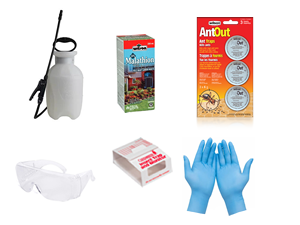
All-In-One
Bed Bug Control Kit

All-In-One
Wasps Control Kit
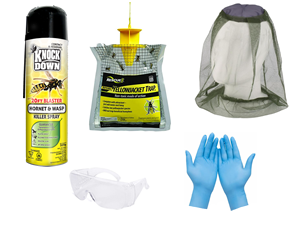
All-In-One
Rodent Control Kit
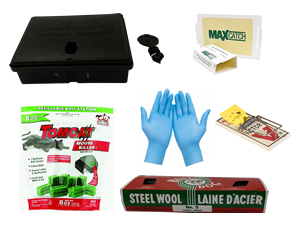
All-In-One
Spider Control Kit
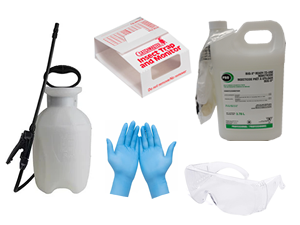
All-In-One
Tree & Garden Kit

All-In-One
Sow Bug Control Kit
All-In-One
Moles & Voles Kit

See also: Spider categorized species photos
More spider photo identifications
pest-id-photos page 1
pest-id-photos page 2
pest-id-photos page 3
( Out of focus, poorly lit and subjects too small to identify will not be published.)
Spider photos: Only very high quality unusual spider photos will be published
To enlarge a photo below, click on it, then click on the larger image again.
Use back arrow to return to this page.
Day-flying firefly
/in Pest Identification, Send your photo for identification /by Pest Control Canada6945. Found outside flying in July around 7:30 pm in South Western Ontario. Only one seen at the time of capture. Any ideas on species? Thanks so much. Woodstock, Ontario. Canada
Number 6945. This appears to be a day-flying firefly (Coleoptera: Lampyridae). Some net-winged beetles (Coleoptera: Lycidae) in the genus Plateros can be very similar in appearance, but their wing covers have a reticulate pattern rather than being smooth.
Jumping spider
/in Pest Identification, Send your photo for identification /by Pest Control Canada6944. Please can you tell me what this is. I’m worried to walk barefoot in the grass. Thank you. Richmond, BC. Canada
Number 6944. This is a jumping spider (family Salticidae) in the genus Phidippus, likely Phidippus johnsoni; Click here for an image. They are harmless to humans.
Broad-nosed/short-snouted weevil
/in Pest Identification, Send your photo for identification /by Pest Control Canada6943. Langley, British Columbia. Canada
Number 6943. This is a broad-nosed/short-snouted weevil (Coleoptera: Curculionidae; subfamily Entiminae). These weevils often enter buildings in search of shelter, but do no harm there. Click here for an example.
Male velvet ant
/in Pest Identification, Send your photo for identification /by Pest Control Canada6942. Sumbitch got hit five times with a flyswatter before I killed it. Waynesboro, Tennessee. United States
Number 6942. This is a male velvet ant (Hymenoptera: Mutillidae), likely in the genus Timulla. These are parasitic primarily on ground-nesting bees and wasps, and the wingless females (sometimes called ‘cow-killers’) have a wickedly painful sting. Males lack a sting, and are harmless.
Earwig
/in Pest Identification, Send your photo for identification /by Pest Control Canada6941. I just caught this about 5 inches under the foot of my bed and has 6 legs just now and would like to know what on earth is this my friends? Steve.
Number 6941. This is an earwig (order Dermaptera). These basically are scavengers, but some may be predatory on other small arthropods as well. Finding them is no cause for alarm. Click here for more detailed information.
Assassin bug
/in Pest Identification, Send your photo for identification /by Pest Control Canada6940. Hello, Please let me know what this is. Toronto Canada, photo taken June 20 – 25. Thank you very much. Maria. Toronto, Ontario. Canada
Number 6940. This appears to be an assassin bug known as a masked hunter (Reduvius personatus; Hemiptera/Heteroptera: Reduviidae), a cosmopolitan species often found indoors and reputed to have a very painful ‘bite’- Click here for more detailed information.
Two-marked treehoppers
/in Pest Identification, Send your photo for identification /by Pest Control Canada6939. These bugs are really tiny, they jump and they are on my raspberry canes and also my milkweed plants. Colton, SD. United States
Number 6939. These appear to be two-marked treehoppers, Enchenopa binotata (Hemiptera/Auchenorrhyncha: Membracidae). Click here for detailed information.
Blister beetle
/in Pest Identification, Send your photo for identification /by Pest Control Canada6938. Found a few in canola field. Seem to eat the stems just under the flowers. Crazy j, Sk. Canada
Number 6938. This is a blister beetle (Coleoptera: Meloidae) in the genus Lytta; they look like Nuttall’s blister beetle, Lytta nuttalli Click here for an image.
Squash vine borer
/in Pest Identification, Send your photo for identification /by Pest Control Canada6937. Does anyone know what this thing is?? York, ON. Canada
Number 6937. This is a squash vine borer, Melitta curcurbitae (Lepidoptera: Sesiidae), a serious garden pest. Click here for more detailed information.
Larva of a carpet beetle
/in Pest Identification, Send your photo for identification /by Pest Control Canada6936. Found indoors, is about 3-5mm long. Never seen before. Any ideas? Holland Landing, Ontario. Canada
Number 6936. This is a larva of a carpet beetle (Coleoptera: Dermestidae) in the genus Anthrenus (varied carpet beetle and allies). Click here for detailed information.
Cockroach
/in Pest Identification, Send your photo for identification /by Pest Control Canada6935. July 2, 11:30pm North Kawartha, Ontario. Canada
Number 6935. This is a cockroach, but it does not appear to be one of the common peridomestic pest species. Click here
Lady beetle
/in Pest Identification, Send your photo for identification /by Pest Control Canada6934. Found this bug on the bed sheet cover early one morning. Waipahu, HI. United States
Number 6934. This is a lady beetle (Coleoptera: Coccinellidae); ones like this are general predators on small, soft-bodied arthropods such as aphids and scale insects. Click here for an image
Male eastern dobsonfly
/in Pest Identification, Send your photo for identification /by Pest Control Canada6933. This was swimming in our pool. No idea what it is. Paris, ON. Canada
Number 6933. This is a male eastern dobsonfly, Corydalus cornutus (Megaloptera: Corydalidae), it would have been drowning, not swimming. Dobsonfly larvae (hellgrammites) are aquatic, but the adults are strictly aerial. The long, sickle-like mandibles of males are harmless, but those of the females (as well as hellgrammites) are very stout and can draw blood. Click here for more detailed information.
Comb-footed/cobweb spider
/in Pest Identification, Send your photo for identification /by Pest Control Canada6932. Toronto, Ontario. Canada
Number 6932. This is a comb-footed/cobweb spider in the family Theridiidae, possibly a triangulate cobweb spider, Steatoda triangulosa. They are harmless to humans, and may eat more dangerous spiders, Click here for more detailed information.
Elm sawfly
/in Pest Identification, Send your photo for identification /by Pest Control Canada6931. Pilot Butte, Saskatchewan. Canada
Number 6931. This is an elm sawfly, Cimbex Americana (Hymenoptera: Cimbicidae). Click here for more detailed information.
Cuckoo wasp
/in Pest Identification, Send your photo for identification /by Pest Control Canada6930. Do you know what this is? The closet I could find online was an Emerald Ash Boarer except it doesn’t have a green shell just translucent brown wings. Sunderland, Ontario. Canada
Number 6930. This is a cuckoo wasp (Hymenoptera: Chrysididae). These are parasitic on (primarily ground-dwelling) solitary bee and wasp species; Click here for additional information.
May beetles
/in Pest Identification, Send your photo for identification /by Pest Control Canada6929. It was too large to be a bed bug. It was approximately 1.5 cm and had a very large abdomen. Vancouver, BC. Canada
Number 6929. This is a beetle in the family Scarabaeidae of the type known as May beetles or June bugs. They are good (albeit clumsy) fliers that are attracted to lights at night and often accidentally get indoors. They will do no harm there. Click here for some suggestions.
Broad-nosed/short-snouted weevil
/in Pest Identification, Send your photo for identification /by Pest Control Canada6928. In Calgary, AB, It seems every year in June when the weather is warm and rainy, I keep finding this little black beetle crawling up walls or coming out from under baseboards in my bathroom, basement and kitchen/near the back door. The ones in the basement are like this little guy in the picture but I also find bigger light brown ones.
The black ones are slightly smaller than a ladybug. What is it, why do they keep coming back year after year and how do I eliminate them??? Calgary, AB. Canada
Number 6928. This is a broad-nosed/short-snouted weevil (Coleoptera: Curculionidae; subfamily Entiminae). These weevils often enter buildings in search of shelter, but do no harm there. You really cannot eliminate them short of hermetically sealing your house. Click here for an example.
Click beetle
/in Pest Identification, Send your photo for identification /by Pest Control Canada6927. Manassas, Virginia United States
Number 6927. This is a click beetle (Coleoptera: Elateridae), a harmless accidental intruder. Click here for more detailed information.
Rove beetle
/in Pest Identification, Send your photo for identification /by Pest Control Canada6926. There a been a number of these small less than 5 mm flying bugs around our 4th floor apartment that last few evenings. We find them on the couch or flying around the living room. Waterloo, Ontario. Canada
Number 6926. This is a rove beetle (Coleoptera: Staphylinidae), they are general predators on other small arthropods. Some species can secrete a noxious fluid that can cause eye/skin irritation. Click here for some examples.
Flat-backed millipede
/1 Comment/in Pest Identification, Send your photo for identification /by Pest Control Canada6925. Hi i know I do not live in Canada but I was hoping that you could tell me what kind of bug this is. I have now seen two of them and where do they come from? NEW YORK, NY. United States
Number 6925. This is a flat-backed millipede, Diplopoda: Polydesmida; they are very common outdoors in moist, shady habitats. The vast majority of these are harmless scavengers on decomposing organic matter. One species, the so-called garden millipede, can damage very tender plants. Click here for an image
Wasp-mimicking mantisfly
/in Pest Identification, Send your photo for identification /by Pest Control Canada6924. Lanark, Ontario. Canada
Number 6924. Great find! This is a wasp-mimicking mantisfly, Climaciella brunnea (Neuroptera: Mantispidae); Click here for images and more information.
Long-horned wood-boring beetle
/in Pest Identification, Send your photo for identification /by Pest Control Canada6923. Do you know what this insect is? Was on side of house, just over 2 inches long, brown colour. Is it harmful to house or trees? Midland, ON. Canada
Number 6923. This is a long-horned wood-boring beetle (Coleoptera; Cerambycidae); it looks like a brown prionid, Orthosoma brunneum. It will not damage your house or trees, Click here for more detailed information.
Beetle
/in Pest Identification, Send your photo for identification /by Pest Control Canada6922. Hello, So over the past three weeks I have found 4 of this bugs. 3 of them were on the upstairs bathroom floor. One of them was in the bathtub right by the drain. From what I can see they are dead. They just appear overnight. I found the one in the picture this morning. The one in the tub was two days ago. There is no window in that bathroom. There is a bathroom fan that could be a point of entry? Not sure. Attached are the pictures from this morning. Thank you, Susan.
Number 6922. This is a beetle in the family Scarabaeidae of the type known as May beetles or June bugs. They are good (albeit clumsy) fliers that are attracted to lights at night and often accidentally get indoors. They will do no harm there. Click here for some suggestions.
Moths
/in Pest Identification, Send your photo for identification /by Pest Control Canada6921. Hi, we put Cedar Mulch in our yard a week ago and now we are finding these moths on exterior walls around windows and hundreds of them inside the house. Saskatoon, Saskatchewan. Canada
Number 6921. These are moths in the family Noctuidae of a type whose larvae often are called cutworms. Those can be quite destructive in a garden but the moths themselves are harmless. Click here for an example.
Sawfly
/in Pest Identification, Send your photo for identification /by Pest Control Canada6920. Hi wondering what type of insect this is? Cobble Hill, BC. Canada
Number 6920. This is a sawfly in the family Cimbicidae; most likely an elm sawfly, Cimbex americana. Click here for more detailed information.
Moth
/in Pest Identification, Send your photo for identification /by Pest Control Canada6919. Even the dogs that will normally kill bugs stayed away from this one. Doesn’t seem to be able to fly, just crawls around slowly. Cudworth, SK. Canada
Number 6919. This is a moth in the family Erebidae, subfamily Arctiinae, whose wings failed to expand properly after it emerged from its cocoon. As it is a female, it may still be able to mate and lay eggs if a male finds her in time. Click here for an example.
Amphipod
/in Pest Identification, Send your photo for identification /by Pest Control Canada6918. Clinged to our bathing suits when we were swimming in Wabamun lake (freshwater). Haven’t seen anything like this in 20 years. Seba Beach, Alberta. Canada
Number 6918. This is an amphipod, a harmless crustacean. Nearly all are aquatic or marine, feeding mainly on decomposing organic matter. They sometimes are called scuds or side-swimmers. Click here for more detailed information.
Male snipe fly
/in Pest Identification, Send your photo for identification /by Pest Control Canada6917. Smaller than a housefly bigger than a fruitfly. Probably between 1/4”& 3/8”
Number 6917. This is a male snipe fly (Diptera: Rhagionidae) in the genus Chrysopilus; most likely C. quadratus – Click here for an image and Click here for an image of a female.
Deer fly
/in Pest Identification, Send your photo for identification /by Pest Control Canada6916. We thought it was a deer fly but it stung me twice causing hospitalization. Stings, not bites confirmed by ER. Sturgeon County, Alberta. Canada
Number 6916. This is indeed a deer fly (Diptera: Tabanidae; Chrysops sp.), Click here for an example. They bite and do NOT sting; your E.R. is sadly mistaken.
Metallic wood-boring beetle
/in Pest Identification, Send your photo for identification /by Pest Control Canada6915. Copper gold colored beetle like insect, still alive, wondering whether it came out of packages I opened that were from China, Japan and New Mexico. Cornwall, ON. Canada
Number 6915. This is a metallic wood-boring beetle (Coleoptera: Buprestidae); it looks like a Dicerca sp. – Click here for an example. These are native species.
Assassin bug
/in Pest Identification, Send your photo for identification /by Pest Control Canada6914. Found inside house. Toronto, On. Canada
Number 6914. This is an assassin bug known as a masked hunter (Reduvius personatus; Hemiptera/Heteroptera: Reduviidae), a cosmopolitan species often found indoors and reputed to have a very painful ‘bite’- Click here for more detailed information.
Springtail
/in Pest Identification, Send your photo for identification /by Pest Control Canada6913. My first name is Jacqueline and this photo was taken in my home in North Carolina. It’s a very small bug – as small as one of the tiny black ants. It’s found here in the bathroom sink, in a bathroom next to the bedroom. It was taken today, Jun 25 and it’s been hot and humid outside. When I tried to get close to take the picture, it jumped (or flew?). It seems like it jumped. I think it was attracted to the sink because the sink is wet. This isn’t a baby cockroach right? Thank you! Chapel Hill, NC. United States
Number 6913. This is a springtail, a primitive arthropod in the order Collembola, closely related to true insects. These basically are harmless scavengers on bits of decomposing organic matter, but they can become nuisance pests when they occur indoors in large numbers. They are quite susceptible to desiccation, so keeping indoor humidity levels as low as practical is the best control. Click here for an example
Long-legged fly
/in Pest Identification, Send your photo for identification /by Pest Control Canada6912. Kitchener, Ontario. Canada
Number 6912. This is a long-legged fly, Diptera: Dolichopodidae, likely in the genus Condylostylus, Click here for an example. These are predators on other small arthropods.
Scarab beetle
/in Pest Identification, Send your photo for identification /by Pest Control Canada6911. Hi, for few days now, we noticed these bugs come to our balcony around 9:30pm. And we do not know how to get rid of that and we do not know what can attract us? Do you know what is it? They always come around 9:30 pm and fly for about 30 mns , then leave , the same thing every day. Thanks for your help. We do not their names since it is our first time to see these bugs. We never experienced that last summer .. Surrey, British Columbia. Canada
Number 6911. This is a scarab beetle (Coleoptera: Scarabaeidae) in the subfamily Melolonthinae of the type commonly called May beetles or June bugs. They are attracted to lights at night, so you should try replacing the bulbs in your outside lights with ones that give off a less attractive frequency. Click here for some suggestions.
Jumping spider
/in Pest Identification, Send your photo for identification /by Pest Control Canada6910. Please let me know is that new species or not… Satara, Wai. India
Number 6910. This is a male Chrysilla volupe, a jumping spider (family Salticidae) that was thought to be extinct until spotted in 2018. Click here for all the details.
Nymph of a stink bug
/1 Comment/in Pest Identification, Send your photo for identification /by Pest Control Canada6909. Hi. Moved in April one. A few days later the German Cockroaches arrived. I’ve had two “treatments” from the exterminator. Cleaned everything …everything. All food in commercial grade food containers, vacuuming twice a day, bleaching floors. I don’t know if they are completely eliminated yet. I was just on my way to go out the back door and saw this little stinker! Looked online and sent pics to Management company. Any idea what this is? Should I maybe just move lol. With Thanks. Winnipeg, Manitoba. Canada
Number 6909. No need to worry about this one – it is a nymph of a stink bug (Hemiptera/Heteroptera: Pentatomidae) in the genus Apoecilus. These are predators on other small insects and are harmless to humans. Click here for an example.
Robber fly
/in Pest Identification, Send your photo for identification /by Pest Control Canada6908. What kind of wasp/hornet is it? Delta, British Columbia. Canada
Number 6908. This is a robber fly (Diptera: Asilidae) in the subfamily Laphriinae. Robber flies are ambush predators on many other insects, and several species in the subfamily Laphriinae are excellent bee mimics. Click here for an example
Elm sawfly
/in Pest Identification, Send your photo for identification /by Pest Control Canada6907. Please identify? Lethbridge, Alberta. Canada
Number 6907. This is an elm sawfly, Cimbex America (Hymenoptera: Cimbicidae). They lack a sting and are harmless to humans; their larvae often are mistaken for caterpillars. Click here for additional information.
Alderfly
/1 Comment/in Pest Identification, Send your photo for identification /by Pest Control Canada6906. I have a lot of theses flies that lay egg masses (I assume they are eggs) as seen to the left of the bug. The fly is about one inch long. They usually lay the eggs on corners and only on the boathouse, not the cottage. I have to scrub the masses to get them off. They come every year. I’m located in the Kawartha Lakes region of Ontario. COBOURG, ONTARIO. Canada
Number 6906. This looks like an alderfly (Neuroptera: Sialidae). They usually lay their eggs in situations where their newly hatched larvae can drop into water. Their larvae are predators on other small aquatic life forms, and are an important part of the freshwater food web. Click here for additional information.
Asian multicoloured lady beetle
/in Pest Identification, Send your photo for identification /by Pest Control Canada6905. Found near a pond in my yard. Duncan, Bc. Canada
Number 6905. This is a larva of an Asian multicoloured lady beetle, Harmonia axyridis (Coleoptera: Coccinellidae); Click here for additional information.
Assassin bug
/in Pest Identification, Send your photo for identification /by Pest Control Canada6904. I hope this photo is clear enough, I found this in my bathtub and killed it before getting more pictures. Is this a sign of an infestation? East York, ON. Canada
Number 6904. This is an assassin bug known as a masked hunter (Reduvius personatus; Hemiptera/Heteroptera: Reduviidae), a cosmopolitan species often found indoors and reputed to have a very painful ‘bite’. If you find more, that would indicate that you may have an infestation of other insects that these are preying upon. Click here for more detailed information.
Sowbug
/in Pest Identification, Send your photo for identification /by Pest Control Canada6903. Have found a couple of these in my house, what are they ? Thanks Airdrie, Alberta. Canada
Number 6903. This is a sowbug, a terrestrial crustacean in the order Isopoda; the vast majority of these are harmless scavengers on decomposing organic matter. They breathe through gills that must be kept moist, so keeping your environs as dry as possible will discourage them from staying. Click here for more information.
Jumping spider
/in Pest Identification, Send your photo for identification /by Pest Control Canada6902. Saw this on opening our umbrella. No idea what it might be. Cornwall, Ontario. Canada
Number 6902. This is a jumping spider in the family Salticidae, another friendly pest controller. They do not spin a capture web, but track and hunt down their prey. Click here for images and much more detailed information.
Larva of a lady beetle
/1 Comment/in Pest Identification, Send your photo for identification /by Pest Control Canada6901. I have seen these “bugs” before but they are especially numerous on our hostas this year. Can you help me to identify them and possibly control them? Highland Cres, Ont. Canada
Number 6901. You don’t want to control these, as they are providing free pest control for you. This is a larva of a lady beetle (Coleoptera: Coccinellidae), they are voracious predators on small soft-bodied insects such as aphids. Click here for more detailed information
Assassin bug
/in Pest Identification, Send your photo for identification /by Pest Control Canada6900. My son accidentally put his hand on this insect while opening the garage door. It bit/stung him and it was very painful. Should I be concerned? Whitby, ON. Canada
Number 6900. This is an assassin bug known as a masked hunter (Reduvius personatus; Hemiptera/Heteroptera: Reduviidae); they are reputed to have a very painful ‘bite’, but it is not dangerous. Click here for more detailed information.
Sowbug
/in Pest Identification, Send your photo for identification /by Pest Control Canada6899. Found this bug in the ceiling. Sometimes it just fall out from the basement ceiling. Hope you can identify this. WINKLER, Manitoba. Canada
Number 6899. This is a sowbug, a terrestrial crustacean in the order Isopoda; the vast majority of these are harmless scavengers on decomposing organic matter. They breathe through gills that must be kept moist, so keeping your environs as dry as possible will discourage them from staying. Click here for more information.
Assassin bug
/in Pest Identification, Send your photo for identification /by Pest Control Canada6898. I think it’s a masked hunter…? Oshawa, Ontario. Canada
Number 6898. Indeed it is a masked hunter – assassin bug (Reduvius personatus; Hemiptera/Heteroptera: Reduviidae); a cosmopolitan species often found indoors and reputed to have a very painful ‘bite’ Click here for more detailed information.
Assassin bug
/in Pest Identification, Send your photo for identification /by Pest Control Canada6897. Montreal Quebec. Canada
Number 6897. This is an assassin bug known as a masked hunter (Reduvius personatus; Hemiptera/Heteroptera: Reduviidae), a cosmopolitan species often found indoors and reputed to have a very painful ‘bite’- Click here for more detailed information.
Nymph of a seed bug
/in Pest Identification, Send your photo for identification /by Pest Control Canada6896. Outdoor insect, summer season ( June ). Jeddah. Saudi Arabia
Number 6896. This is a nymph of a seed bug (Hemiptera/Heteroptera: Lygaeidae), possibly in the genus Lygaeus.