
SHOP NOW – NEW All-In-One Bundles
All-In-One
Ant Control Kit

All-In-One
Bed Bug Control Kit

All-In-One
Wasps Control Kit
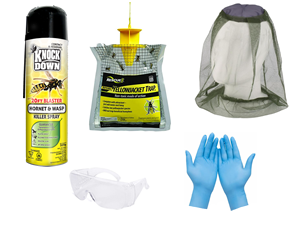
All-In-One
Rodent Control Kit
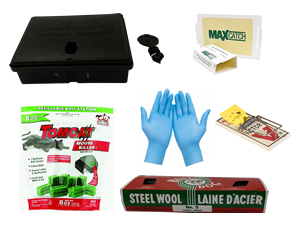
All-In-One
Spider Control Kit

All-In-One
Tree & Garden Kit

All-In-One
Sow Bug Control Kit
All-In-One
Moles & Voles Kit

See also: Spider categorized species photos
More spider photo identifications
pest-id-photos page 1
pest-id-photos page 2
pest-id-photos page 3
( Out of focus, poorly lit and subjects too small to identify will not be published.)
Spider photos: Only very high quality unusual spider photos will be published
To enlarge a photo below, click on it, then click on the larger image again.
Use back arrow to return to this page.
Weevil
/in Pest Identification, Send your photo for identification /by Pest Control Canada6845. I am going crazy. I feel like I have creepy crawlies all over. I need confirmation what these are…i have looked at so many pictures. I thought bed bug ot tick. Then came up with weervil. I have found 2 in the bed and 3 in the bathtub. I have been killing a few in the hallway outside bathroom. But once i found them in bed, i freaked. I do have 2 dogs that will climb up the bed with me. Please help. THANK YOU. Airdrie, Alberta. Canada
Number 6845. This is a weevil (Coleoptera: Curculionidae); likely one of the broad-nosed/short-snouted weevils in the subfamily Entiminae. These often find their way indoors, but do no harm there. Click here
Stone centipede
/in Pest Identification, Send your photo for identification /by Pest Control Canada6844. This centipede dropped out of a planter I picked up at the store. Wondering if it’s invasive to Canada? Winkler, MB. Canada
Number 6844. This is a stone centipede (Chilopoda: Lithobiomorpha); it looks like Lithobius forficatus, an introduced species now widespread in North America, including Canada. They are harmless to humans. Click here for an example.
European hornet
/1 Comment/in Pest Identification, Send your photo for identification /by Pest Control Canada6843. Abington, Pa. United States
Number 6843. This is a European hornet, Vespa crabro (Hymenoptera: Vespidae). As a general rule, these are less aggressive and more tolerant of human presence than their smaller cousins, yellow jackets and bald-faced hornets. Click here for more detailed information.
Birch catkin bug
/in Pest Identification, Send your photo for identification /by Pest Control Canada6842. Dozens suddenly on my balcony and windows, with the first warm spring days. Helsinki, Finland.
Number 6842. This looks like a birch catkin bug, Kleidocerys resedae (Hemiptera: Heteroptera: Lygaeidae), a species that occurs in Europe and North America. These basically are nuisance pests that do no real harm. Click here for more detailed information.
Elm leaf beetle
/in Pest Identification, Send your photo for identification /by Pest Control Canada6841. I have been seeing this bugs for the last 3 weeks once a while. Maybe 10 of them. They are attracted to light since I can see them on windows or on a turned on tv. What kind of bug is it and does it harmful? The bug length is about 1/6″ to 1/4″. Toronto.
Number 6841. This is an elm leaf beetle, Xanthogaleruca luteola (Coleoptera: Chrysomelidae). These beetles and their larvae feed on leaves of elm trees; they would do no harm indoors. Click here for more detailed information.
Checkered beetle
/in Pest Identification, Send your photo for identification /by Pest Control Canada6840. 1st dealing with black carpet beetles, a woodlouse spider early may & now found this bug in my apt of building in city. Been thought all beetles & insects in Ont being orange & black but none matched. Was on my bathroom counter middle of may 2020. Cornwall, ON. Canada
Number 6840. This is a checkered beetle (Coleoptera: Cleridae). Most of these are general predators on other small arthropods; a few species are pollen feeders. Click here for an example
Dwarf spider
/in Pest Identification, Send your photo for identification /by Pest Control Canada6839. This very small bug was found on a cedar tree near a wooden deck on a rural, treed property in Eastern Manitoba on May 20, 2020. Winnipeg, Manitoba. Canada
Number 6839. This appears to be a dwarf spider (family Linyphiidae; subfamily Erigoninae); Click here for an image. Nice find!
Assassin bug
/in Pest Identification, Send your photo for identification /by Pest Control Canada6838. Want to know if this could be a kissing bug, it’s small back it has you small antennas and almost like a mosquito type nose thing. It’s about or just over 1/2 inch long. Winnipeg, Manitoba. Canada
Number 6838. This is an assassin bug (Hemiptera/Heteroptera: Reduviidae). True kissing bugs (subfamily Triatominae) do not occur in Manitoba. Click here for more detailed information
Giant water bug
/in Pest Identification, Send your photo for identification /by Pest Control Canada6837. May 2020 found in backyard. Moncton, NB. Canada
Number 6837. This is a giant water bug, Hemiptera/Heteroptera: Belostomatidae. Also known as toe-biters or electric light bugs, they are voracious predators on other aquatic life forms, including other insects, tadpoles, and minnows. They are strong fliers that can be found quite some distance from water, and can deliver a very painful ‘bite’ if mishandled. Click here for more detailed information
Aphids
/in Pest Identification, Send your photo for identification /by Pest Control Canada6836. Found on strawberry plants on balcony in Victoria. Alberta Gibbons. Canada
Number 6836. These are aphids Hemiptera/Sternorrhyncha: Aphididae. Also known as plant lice, these all are sap feeders. Click here for more detailed information
Leaf beetle
/in Pest Identification, Send your photo for identification /by Pest Control Canada6835. Photo taken May 16, 2020 in an urban area on the side window of truck. Saint John, New Brunswick. Canada
Number 6835. This is a leaf beetle (Coleoptera: Chrysomelidae) in the genus Calligrapha, Click here for an example.
Wharf borer
/in Pest Identification, Send your photo for identification /by Pest Control Canada6834. Found this guy near a door to our patio, and kitty litter (pine chips). I found another one approx two weeks ago in the same spot. Unable to figure out what it is. It looks closer to a beetle than a cockroach but has the colouring of a cockroach. Thanks for identifying! Toronto, Ontario. Canada
Number 6834. This appears to be a wharf borer, Narcerdes melanura (Coleoptera: Oedemeridae); their larvae bore in very moist/wet wood, usually in contact with soil or water. Click here for more detailed information.
Aphid
/1 Comment/in Pest Identification, Send your photo for identification /by Pest Control Canada6833. Nałęczów, Poland
Number 6833. This is an aphid (‘plant louse’), Hemiptera/Sternorrhyncha: Aphididae. These all are sap feeders, and some species can vector viral diseases of plants. Click here for more detailed information
Cocoons of a bee/wax moth
/1 Comment/in Pest Identification, Send your photo for identification /by Pest Control Canada6832. Can you help me identify these bad boys? They appear to be worms that I found stuck between cedar shakes that had stacked and half-buried in dirt under our front porch for many years. The webbing surrounding them was so sticky that it was very hard to pull the shakes apart and their bodies left indents in the shakes after I scraped them off. They only was I could tell that they were actually living creatures is because the little green heads on a few of them were wiggling. I Googled ‘worm cartridges’, but couldn’t find anything under this heading 🙂 Any idea what they might be?! Burnaby, British Columbia. Canada
Number 6832. These appear to be cocoons of a bee/wax moth, Aphomia sociella (Lepidoptera: Pyralidae). This is an introduced European species; possibly entered in bee hives. Click here for an image and additional information.
Wood-boring beetle
/in Pest Identification, Send your photo for identification /by Pest Control Canada6831. What kind of bug is this? They have been found indoors. Ottawa, Ontario. Canada
Number 6831. This is a wood-boring beetle in the family Bostrichidae; it looks like a member of the genus Ptilinus (death watch beetles and relative) – Click here for an example.
Bald-faced hornet
/in Pest Identification, Send your photo for identification /by Pest Control Canada6830. This guy is just over an inch long. I have not seen him here before. He slept on my outside broom handle. I almost grabbed him! Wondering if he is normally here and I just didn’t notice before. Salmon Arm, British Columbia. Canada
Number 6830. This is a bald-faced hornet, Dolichovespula maculata (Hymenoptera: Vespidae). Like most of its ilk, it can deliver a very painful sting, but in spite of its reputation for aggressiveness, I have never been stung by one, even when I have been quite close to a nest. Click here for more detailed information.
False chinch bug
/1 Comment/in Pest Identification, Send your photo for identification /by Pest Control Canada6829. Must enlarge to see the bug. Thousands have infested my back yard. Las Vegas, Nevada. United States
Number 6829. This is a nymph of a bug in the family Lygaeidae, possibly a false chinch bug, Nysius raphanus. Click here for more detailed information, including some control recommendations.
German cockroach
/in Pest Identification, Send your photo for identification /by Pest Control Canada6828. Looked at an apartment today filled with these bugs. Some this size, lots of small ones. The apartment is being fumigated, but because the apartment has been vacant, I am worried about the possibility of them returning. Kitchener, Ontario. Canada
Number 6828. This looks like a German cockroach, Blattella germanica (Blattodea: Ectobiidae), a peridomestic species difficult to bring under complete control. Click here for some control recommendations.
Firebrat
/in Pest Identification, Send your photo for identification /by Pest Control Canada6827. Burnaby, BC. Canada
Number 6827. This is a firebrat, Thermobia domestica (Zygentoma: Lepismatidae), or a close relative. These are peridomestic nuisance pests that seldom do any real harm. Click here for more detailed information.
Yellow-faced bumble bee
/1 Comment/in Pest Identification, Send your photo for identification /by Pest Control Canada6826. The beetle is about 1.5cm long, black except for a bright yellow head and a yellow horizontal stripe across its hind area. Looking at these and 6 other pictures, none much better (!) it appears furry and has furry legs, more like a spider than any beetle I know about. which is very few. It appeared to be trying to dig a burrow, or to dig up some prey. I watched it dig, turn around twice to look away then turn back to the excavation. Then it flew away, very quickly. I took 8 shots within about a 30-second period, should have focused better. These are cropped edits from areas about 5x the size. New Westminster, BC. Canada
Number 6826. Not a beetle; it looks like a yellow-faced bumble bee, Bombus vosnesenskii (Hymenoptera: Apidae); Click here
Brown marmorated stink bug
/in Pest Identification, Send your photo for identification /by Pest Control Canada6825. I’ve seen a few of these over the past little while (from about mid-winter), in various places in my home in north Toronto. (This one is dead) Only one at a time, and upstairs as well as main floor. I’ve just taken them outside, but please let me know if I should be concerned or take control measures. Toronto, Ontario. Canada
Number 6825. This is a stink bug (Hemiptera/Heteroptera: Pentatomidae); it may be a brown marmorated stink bug, Halyomorpha halys, an introduced species that has become a pest in wide areas of North America. Click here for more detailed information.
House centipede
/in Pest Identification, Send your photo for identification /by Pest Control Canada6824. Will like to know what kind of insect is this ? It was found on my kitchen floor. Whitby, Ontario. Canada
Number 6824. This is a house centipede, Scutigera coleoptrata, an introduced species with a cosmopolitan distribution. Click here for more detailed information.
Granary weevils
/in Pest Identification, Send your photo for identification /by Pest Control Canada6823. Suddenly started appearing in the bedroom, then kitchen and bathroom, crawling on floor and walls. I’ll find up to ten a day, and it was like night and day going from none at all to finding them constantly. Haven’t seen any sign of them in foods or cupboards. Really worried about their numbers getting worse or starting to find them in linens and clothes, or food. Toronto, ON. Toronto, Ontario. Canada
Number 6823. This appears to be one of the grain/granary weevils in the genus Sitophilus; these infest primarily whole seeds such as wheat, rice, and corn (maize). You should check all areas where grains of any kind (including bird seed) are stored for signs of infestation. For much more information than you probably want to know about these critters, Click here
Yellow-faced bumble bee
/1 Comment/in Pest Identification, Send your photo for identification /by Pest Control Canada6822. This huge (twice the size of a bumble bee) bee was digging a tunnel in our back flower bed on Mother’s Day, 2020. Is it a Carpenter Bee? Thanks for your attention… Delta, British Columbia. Canada
Number 6822. Looks like a yellow-faced bumble bee, Bombus vosnesenskii (Hymenoptera: Apidae); Click here
Assassin bug
/1 Comment/in Pest Identification, Send your photo for identification /by Pest Control Canada6821. I believe this is a weevil, but it bit me and hurt very badly. It’s approximately a half inch long and was in my gardening glove outside. Springtime in the North Okanagan. Coldstream, British Columbia. Canada
Number 6821. This is an assassin bug (Hemiptera/Heteroptera: Reduviidae). These are general predators on other small arthropods; their saliva contains powerful proteolytic enzymes, which accounts for their very painful (bit not dangerous) bite. Click here for more detailed information.
Carpet beetle
/in Pest Identification, Send your photo for identification /by Pest Control Canada6820. Tiny bugs. Keep finding them on the floor of my kitchen. Now just found 2 outside of kitchen. I cleaned everywhere 10 days ago (behind fridge and oven) and I hadnt seen them since but now they are back. I don’t have carpet in my house. We tiny black with a little hard shell ( brown and black). Vaudreuil, Quebec. Canada
Number 6820. This looks like a carpet beetle (Coleoptera: Dermestidae)in the genus Anthrenus. In spite of that name, the larvae of these beetles will feed on a wide variety of organic materials besides carpeting and other fabrics containing wool or silk. Check any dry stored food products in your pantry for signs of insect infestation. Click here for detailed information.
Grain beetle
/in Pest Identification, Send your photo for identification /by Pest Control Canada6819. Found near counters in downtown condo. Possibly: https://bedbugexperts.com/grain-beetle-5/ Toronto, Ontario. Canada
Number 6819. You are correct. This is a grain beetle in the genus Oryzaephilus (saw-toothed and merchant grain beetles). Click here for more detailed information.
White-marked spider beetle
/in Pest Identification, Send your photo for identification /by Pest Control Canada6818. Found underneath my bed. Sunnyside, Manitoba. Canada
Number 6818. This looks like a white-marked spider beetle, Ptinus fur (Coleoptera: Anobiidae; subfamily Ptininae). Like other spider beetles, these will feed on a very wide variety of organic materials and sometimes can be pantry pests. Click here for additional information.
Moth
/1 Comment/in Pest Identification, Send your photo for identification /by Pest Control Canada6817. I saw this cockroach on my kitchen ceiling around 8pm. i’ve never seen a cockroach in all the years i’ve lived in my house. also, this cockroach was very small… less than a half an inch. please identify it. revere, ma. United States
Number 6817. This is not a cockroach, but a tiny moth. The only moths of this general appearance that are of concern are clothes moths in the family Tineidae. If you find another, look closely at the top of its head with a magnifying glass. If it appears to have a fluffy ‘hair-do’ (Click here for an example), it likely is a clothes moth.
White grubs
/in Pest Identification, Send your photo for identification /by Pest Control Canada6816. I found this insect while digging in my garden, begging him of May, I found one exactly like this last spring as well. Medicine Hat, Alberta. Canada
Number 6816. This is a larva of a beetle in the family Scarabaeidae. Commonly called white grubs, some species can be quite destructive lawn/turf, feeding on roots of grasses. Those found in garden soil more likely are feeding on decomposing organic material there.
Firebrat
/in Pest Identification, Send your photo for identification /by Pest Control Canada6815. Recently moved into an apartment on the 19th floor of a well maintained, 1960s concrete tower and have found a couple of these insects in the bathroom on the floor. The floor and wall surfaces are all tile. The entire apartment was renovated 5 years ago. Curious what it may be. Vancouver, BC. Canada
Number 6815. This is a firebrat, Thermobia domestica (Zygentoma: Lepismatidae), or a close relative. These are peridomestic nuisance pests that seldom do any real harm. Click here for more detailed information.
Eastern yellowjacket
/in Pest Identification, Send your photo for identification /by Pest Control Canada6814. Interested to know what variety of bee this is. I photographed it in early April. London, ON. Canada
Number 6814. It’s a wasp in the family Vespidae; likely an eastern yellowjacket, Vespula maculifrons – Click here for detailed information.
Pseudoscorpion
/1 Comment/in Pest Identification, Send your photo for identification /by Pest Control Canada6813. Found inside house. Rural area. Spring. 8 legs plus crab like claws. Used toothpick for size comparison. Shawinigan, Quebec. Canada
Number 6813. This is a pseudoscorpion, an arachnid related to spiders and true scorpions that prey on other small arthropods. They are non-venomous and harmless to humans. Click here for more detailed information.
Spider beetle
/in Pest Identification, Send your photo for identification /by Pest Control Canada6812. This has been seen multiple times at the apartment. What is this bug? Is this harmful? How can we get rid of this? Size: small (about 0.5 cm), month: April, May, season: Spring, seen inside of an apartment floor. Toronto, ON. Canada
Number 6812. This is a spider beetle (Coleoptera: Anobiidae; subfamily Ptininae). They can feed on a very wide variety of dry food products, and can become pantry pests. Click here for more detailed information.
House centipede
/in Pest Identification, Send your photo for identification /by Pest Control Canada6811. I’ve seen it my my apartment once in a wile and idk what it is and I’m worried that it could be harmful. Id also like to know more about it if possible. Fort-Coulonge, Quebec. Canada
Number 6811. This is a house centipede, Scutigera coleoptrata. This is an introduced species having a very wide distribution. They are general predators on other arthropods, and although not dangerous, they can deliver a painful bite if handled carelessly. Click here for more detailed information.
Broad-nosed/short-snouted weevil
/in Pest Identification, Send your photo for identification /by Pest Control Canada6810. May 2020. Found inside home near a lake near Napanee, ON. Have seen at least 10 of these in our home over the last 3 weeks. Erinsville, ON. Canada
Number 6810. This is a broad-nosed/short-snouted weevil (Coleoptera: Curculionidae; subfamily Entiminae). These weevils often enter buildings in search of shelter, but do no harm there.
Female winter moth
/in Pest Identification, Send your photo for identification /by Pest Control Canada6809. I tried my best. We were out and about outside. This was on my pants which I had taken off before discovery. The orange part at the back pulsates. Goes up and down. I made a video. I just want to know what it is. I have NEVER seen such a thing before. It’s maybe 2 cm long. Though I’m unsure. Honestly it freaks me out. Saskatoon, Saskatchewan. Canada
Number 6809. This looks like a female winter moth, Operophtera brumata (Lepidoptera: Geometridae); their wings are vestigial, rendering them incapable of flight. Click here for more detailed information.
Cigarette beetle
/1 Comment/in Pest Identification, Send your photo for identification /by Pest Control Canada6808. Is it a bed bug? If not what is it? Thank you very much. Ottawa, Ontario. Canada
Number 6808. This looks like a cigarette beetle, Lasioderma serricorne (Coleoptera: Anobiidae).This is a cosmopolitan species that can become a pantry pest, feeding on a very wide variety of dry stored food products. Click here for more detailed information.
Carpet beetle
/in Pest Identification, Send your photo for identification /by Pest Control Canada6807. hello. sorry i ask from Portugal, but i found this service to indentify bugs. i found this bugs two in my bed, and now in boxs with books. can you tell me if is a bed bug? or if its other type of bug? best regards, Domingos. Redondo Portugal
Number 6807. Not a bed bug, but a carpet beetle (Coleoptera: Dermestidae) in the genus Anthrenus (varied carpet beetle and allies). Click here for detailed information.
Brown marmorated stink bug
/in Pest Identification, Send your photo for identification /by Pest Control Canada6806. I am trying to identify a bug that I have been seeing in my home in Wisconsin. I have only see three so far and they seem to be in the same area. One on a chair, one on the table next to the chair, and one on the floor next to the chair. Looking at pictures in trying to figure out what it is, it looks the closest to stink bug. I don’t think it is a cockroach, but I am not sure. It is light brown in color, kind of flat, has antennas and looks like some black spots. West Allis, WI. United States
Number 6806. This is a brown marmorated stink bug, Halyomorpha halys (Hemiptera/Heteroptera: Pentatomidae). This is an introduced species that has become a pest, primarily in orchards, in many areas of North America. They will come indoors in search for shelter, but do no harm there. Click here for more detailed information
Non-biting midge
/in Pest Identification, Send your photo for identification /by Pest Control Canada6805. King City, Ontario. Canada
Number 6805. This is a non-biting midge (Diptera: Chironomidae). Cousins to mosquitoes, they sometimes occur in such large numbers as to become serious nuisances. Click here for more detailed information.
Sowbug
/1 Comment/in Pest Identification, Send your photo for identification /by Pest Control Canada6804. Probably brought in house on my dogs from bushes or trees. Saskatoon, Sask. Canada
Number 6804. This is a sowbug, a terrestrial crustacean in the order Isopoda; the vast majority of these are harmless scavengers on decomposing organic matter. They breathe through gills that must be kept moist, so keeping your environs as dry as possible will discourage them from staying. It likely strayed indoors accidentally on its own.
Grain beetle
/2 Comments/in Pest Identification, Send your photo for identification /by Pest Control Canada6803. Found indoors, just started last month, corners of countertops and other kitchen areas ( do not attack grains/food) and wood floor. Burlington, Ontario. Canada
Number 6803. This is a grain beetle in the genus Oryzaephilus (saw-toothed and merchant grain beetles). These can infest a wide variety of dry stored food products. Click here for more detailed information.
Black carpet beetle
/in Pest Identification, Send your photo for identification /by Pest Control Canada6801. These show up on or near my bedroom window (on the inside) in the spring and summer months in Toronto. It’s April and I have seen one or so per day. During the summer, I find maybe ten per day. Ontario North York
Canada
Number 6801. The image is not clear enough for me to be certain, but it might be a black carpet beetle (Coleoptera: Dermestidae; Attagenus sp.); Click here for control recommendations.
Spider beetle
/in Pest Identification, Send your photo for identification /by Pest Control Canada6802. April 20, 2020. Okotoks, Alberta. Found this guy crawling inside trash can in our bathroom. Less than 1/4” long. Can’t find it on any website. Okotoks, AB. Canada
Number 6802. I cannot identify with confidence from this ventral view. When photographing insects and the like, the most useful view is dorsal, from directly over the insect. That aside, I would consider a spider beetle (Coleoptera: Anobiidae; subfamily Ptininae); Click here. Some of these can become pantry pests, so you may want to inspect food storage areas for signs of infestation.
Weevil
/in Pest Identification, Send your photo for identification /by Pest Control Canada6800. A little black bug about a quarter of an inch long. Brownington, Vermont. United States
Number 6800. This is a weevil (Coleoptera: Curculionidae); its shape is suggestive of that of one of the grain/granary weevils in the genus Sitophilus – Click here. Because of that, you should inspect any areas where you store whole grains of any kind (including bird seed) for signs of insect infestation.
Giant stonefly
/in Pest Identification, Send your photo for identification /by Pest Control Canada6799. April 2020 outdoors rural area walked around, did not see it land nor take off. Maple Ridge, BC. Canada
Number 6799. This is a giant stonefly (Plecoptera: Pteronarcidae; Pteronarcys sp.). They are harmless, and their aquatic larvae are an important component of the freshwater food web. Click here for detailed information on these insects.
European ground beetle
/1 Comment/in Pest Identification, Send your photo for identification /by Pest Control Canada6798. Found in Vancouver BC on our back porch today, April 19th. The blue and pink shimmer stood out and we have been trying to identify it. Body type seems closest to several borer beetles but not really sure. Vancouver, BC. Canada
Number 6798. This is a European ground beetle, Carabus nemoralis (Coleoptera: Carabidae), an introduced species that is a general predator on other small invertebrates. Click here for detailed information on this very interesting species.
Springtails
/in Pest Identification, Send your photo for identification /by Pest Control Canada6797. These bugs are currently in my yard where the snow has melted on the south side of my house. I need to know what they are to know if they are dangerous for my kids or our animals, please help. Valhalla Centre, Alberta. Canada
Number 6797. These are springtails, primitive arthropods in the order Collembola, closely related to true insects. These basically are harmless scavengers on bits of decomposing organic matter, but they can become nuisance pests when they occur indoors in large numbers. Click here for an example
Nymph of an assassin bug
/in Pest Identification, Send your photo for identification /by Pest Control Canada6796. Looking to know more about this bug we found in our living room today. Cornwall, Ontario. Canada
Number 6796. This is a nymph of an assassin bug known as a masked hunter (Reduvius personatus; Hemiptera/Heteroptera: Reduviidae), a cosmopolitan species often found indoors and reputed to have a very painful ‘bite’- Click here for more detailed information.